Displacement Digester System, DDS™
DDS Development
Chemical and Pulping Limited's DDS™ cooking system is based on a previous displacement cooking system from the Beloit Corporation commercialized as the RDH Cooking System. CPL (Chemical and Pulping Limited) personnel have over 80 years of combined experience with displacement cooking systems. They have used this engineering design, field installation and project management experience to create and continuously enhance the DDS™ Cooking System.
The DDS has been successfully commercialized by CPL in 2003 with 42 projects sold to date comprising of 122 digesters worldwide. The pulping market increasingly recognizes the DDS's benefits as evidenced by continuously increasing project sales at both new and returning customers. Project Sales by decades are: 11 sold in the 2000s (10.6 dig/yr), 16 sold in the 2010s (5.7 dig/yr) and to date, 15 sold in the 2020s (13.5 dig/yr). The DDS has four sales references that were designed to liberate alpha cellulose fiber (dissolving pulp) for rayon simply by choosing the software recipe as needed. The DDS team has extensive experience in both greenfield installations (45%) and retrofits. Other types of projects include DDS expansions and three competitor conversions. The DDS is continuously updated by CPL with the latest offering the seventh generation, DDS™ VII. Please refer to the reference listing for more details on the project type, furnish, production, etc.
Conventional Batch Cooking Cycles vs DDS Advanced Cycle
The main differences between conventional batch cooking and the DDS system are 1) the reuse of hot liquors and 2) the non-flashing discharge of the pulp from the digester. For item 1), the hot spent cooking liquors from a completed batch cook are displaced from the digester by pumping cool washer filtrate into the digester and storing the hot spent cooking liquors in the tank farm for reuse in subsequent cooks. Concerning item 2), the pulp from the digester is pumped out of the digester (versus flashing the pulp out of the digester, aka 'hot blow', because the digester is below atmospheric flash point after the hot spent cooking liquors are displaced.
Washer Filtrate Reused
A conventional cooking system uses fresh water to wash the pulp in the brownstock fiberline equipment. The water washes the pulp and becomes black liquor which is fed to the recovery island for chemical recovery, etc. The DDS uses this black liquor stream from the washing plant to displace the hot spent cooking liquor from the digester. This is done in the last liquor displacement step of the cook and if done properly, will give the same displacement ratio as one vacuum filter. Hence, the DDS is actually performing the duty of the first washer in the brownstock washing plant. The hot spent cooking liquors that were displaced are reused in various steps of the DDS cooking cycle and eventually the washing liquor that originated in the washing plant leaves the DDS system with increased solids relative to the original washer filtrate fed to the DDS. This liquor is then fed to the recovery island. An easy way to view it is that the DDS system temporarily uses the washer filtrate before sending it off to the recovery plant with a higher temperature and solids if extended delignification is utilized (ie lower kappa than conventional).
Tank Farm
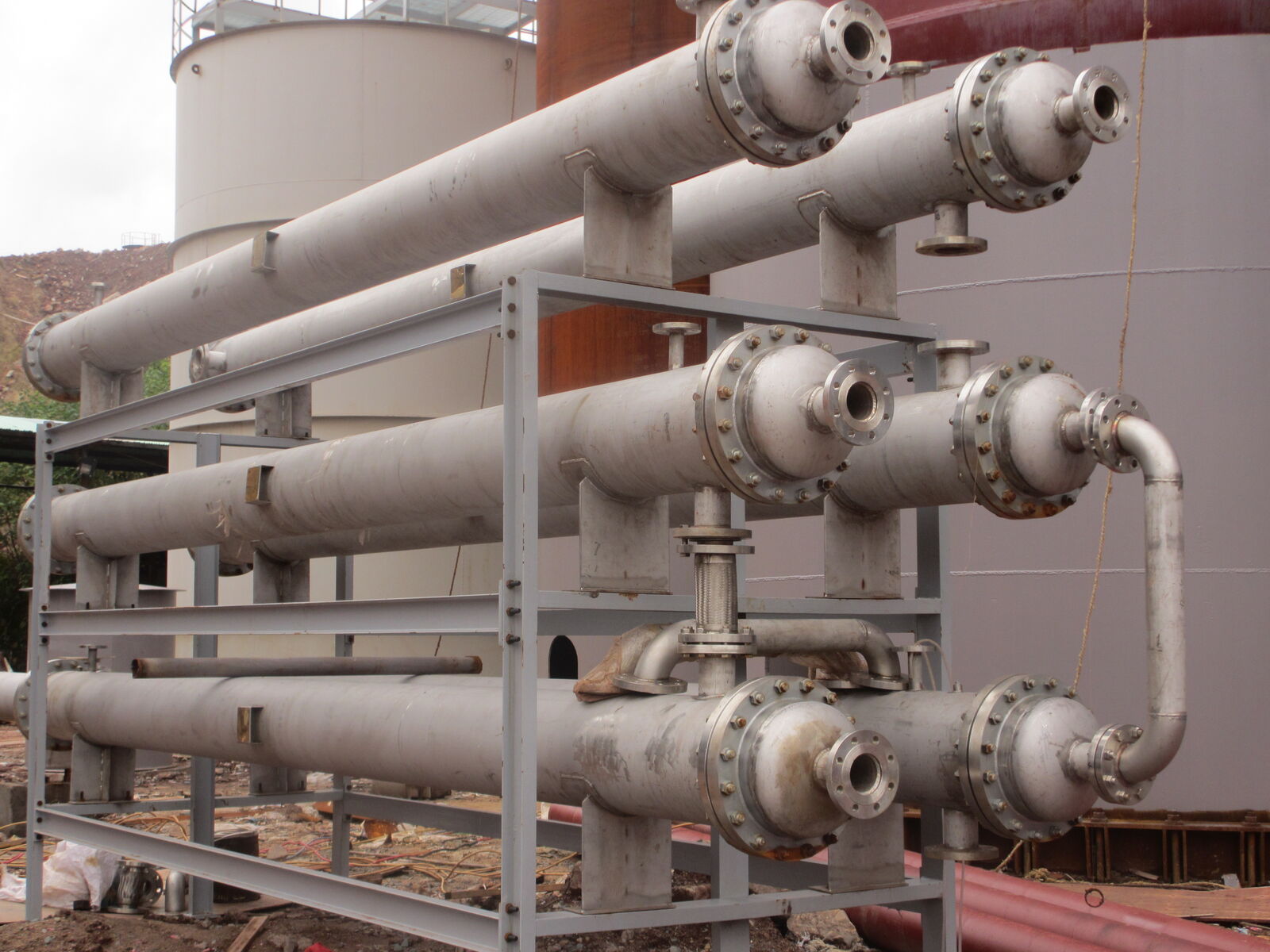
The tank farm is a number of vessels used to store liquor with the main function being to service the digesters which are making fiber. The tank farm has pressurized vessels to maintain the stored liquor at temperatures above their atmospheric flash point, as well as atmospheric tanks. The amounts of liquors diverted into each vessel from the digesters is based on temperatures and mass balances. Unused tank farm liquors are released from the storage vessels while transferring any excess heat into incoming liquors or into cool water to generate hot water. There are many different tank farm configurations depending on the DDS version and specific chemical and heat demand determined by the furnish type and quality, as well as the desired finished product type and quality. The DDS Tank Farm has the ability to collect and group the returning liquors to best reuse the chemical and thermal energy.
DDS Version Advancements
The DDS system has been continuously updated with an improved version every 3.3 years on average. The first version was commercialized as DDS™ Cooking System and was based on modifications to better the RDH systems familiar to CPL's founder as the RDH Product Manager in 2002. The original DDS was renamed DDS I as subsequent versions were introduced. The following table is an overview of the advancement and modernization to the DDS over the years.
| Version | Updates | Installations |
|---|---|---|
| DDS | Added displacement liquor algorithms, more efficient liquor management | 1 |
| DDS I | Refined liquor management for more efficient use of thermal energy using compartmented tank farm, added redundant safety valves, extensive safety redundancy relays, remove upset cooler (Relative to RDH) | 6 |
| DDS II | Improved use of the low temperature tank storage capabilities | 4 |
| DDS III | Modified the discharge piping to ensure one discharge pump per 6 digesters, removed nuclear instrumentation option, reduced pressure requirement in HW Drum | 5 |
| DDS IV | Modified digester head, further compartmentation of return liquors to the tank farm, advanced low temperature delignification | 6 |
| DDS V | Removed BTW heat exchanger for less maintenance, modified piping to allow for less variation in discharge consistency, increased efficiency and safety of air evacuation system | 3 |
| DDS VI | Options for cool liquor preheating for further steam saving, increased instrumentation to measure mass and energy balance for super intelligence interface | 9 |
| DDS VII | Option to split washer filtrate tank to minimize hot water generation for mills not requiring hot water, option to cool washer filtrate used in the discharge operation, added super intelligence algorithms | 7 |
DDS Proven Results
The DDS system is now designed with at least one digester having a man-way with a basket cook apparatus. The basket is filled with the exact chips from the feed belt with excess chips taken to the laboratory for chip bulk density and moisture content, yielding the od wood inside the basket. The proprietary basket apparatus is inserted into the digester and is exposed to the exact conditions in the digester throughout the cooking cycle. The basket is removed after the digester is discharged by pumping and the contents are taken to laboratory to determine the od pulp and reject percentage created by the DDS as well as strength characteristics. Additionally, during this basket cook trial samples of the liquors entering and leaving the digester are collected and analyzed to analyze the chemical kinetics.
Generally, pulp mills do not know the process losses in the bleaching and brown stock processing equipment and simply 'estimate backwards' to estimate cooking yield and since the digester house is the last process working backward to the woodyard (ie. the first processing step from the woodyard), many losses are mistakenly attributed to the digester cooking process. Using the method described above, the exact yield for 'as blown' pulp can be measured including reject rates, fiber strength, etc. prior to further delignification in the ODL (Oxygen Delignification process).
Dissolving Grade Alpha Cellulose, DDS A and DDS AH
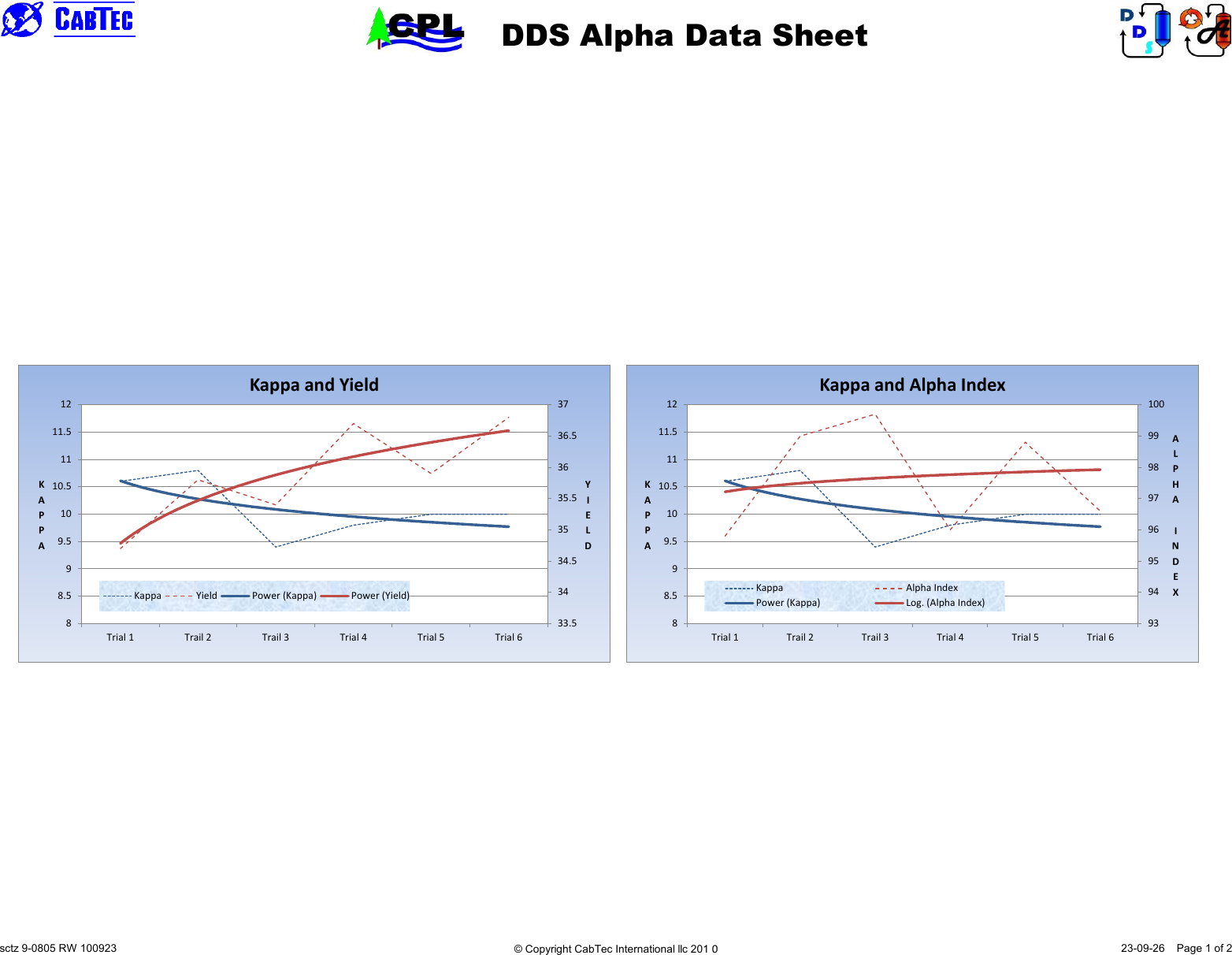
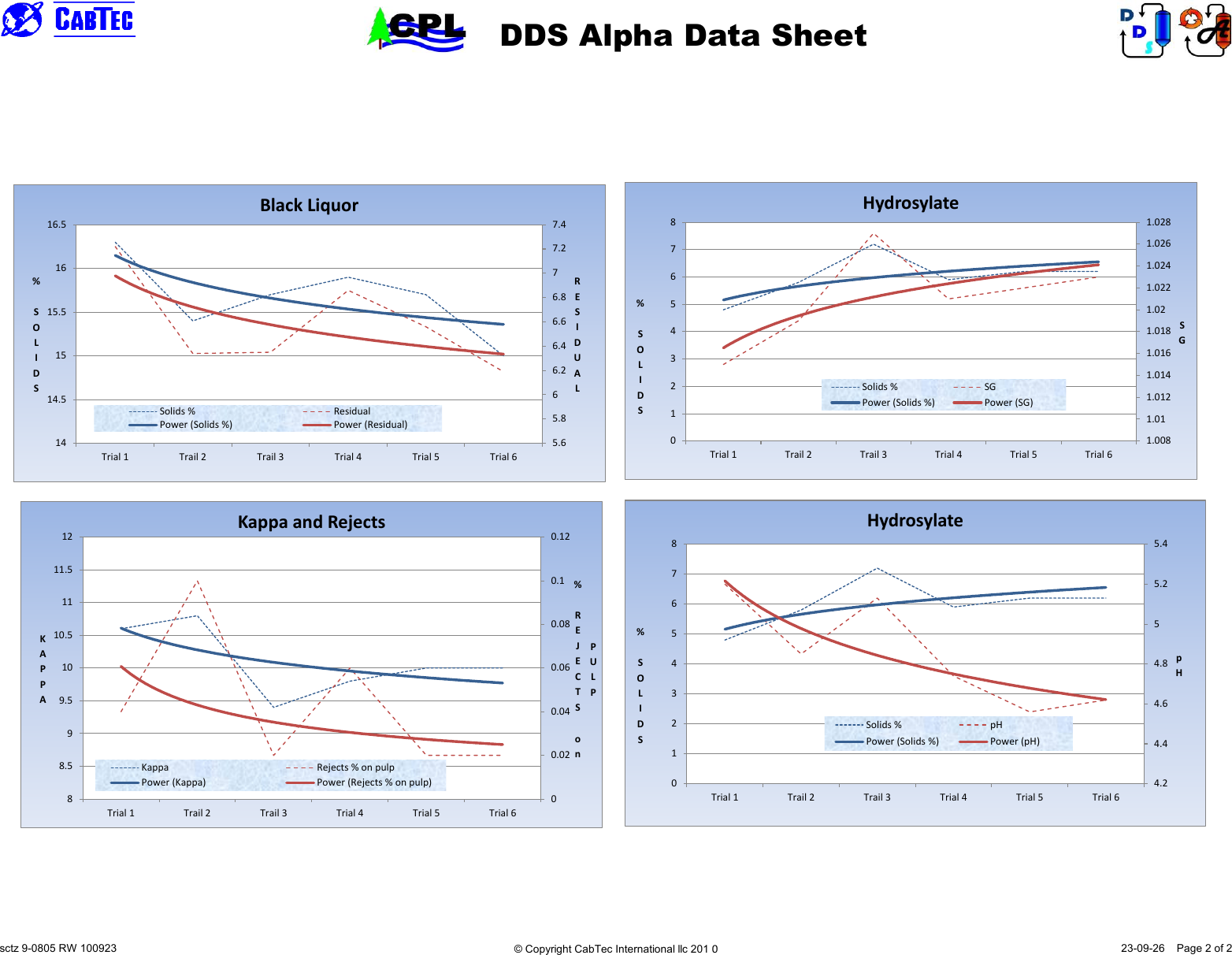
In the case of alpha dissolving pulp as a product, the chips are exposed to high temperature and an acidic or water environment created naturally from the removal of the hemicellulose (DDS A) or by the addition of acid (DDS AH) before continuing with the alkali kraft cooks. This hemicellulose removal is commonly referred to as the pre-hydrolysis phase of the cook. This is the same in both conventional and displacement cooking batch systems. The DDS system for alpha dissolving pulp is called DDS A (DDS Alpha) if there is not reuse of the hydrolysate and DDS AH when portions of the hydrolysate is reapplied